Giới thiệu
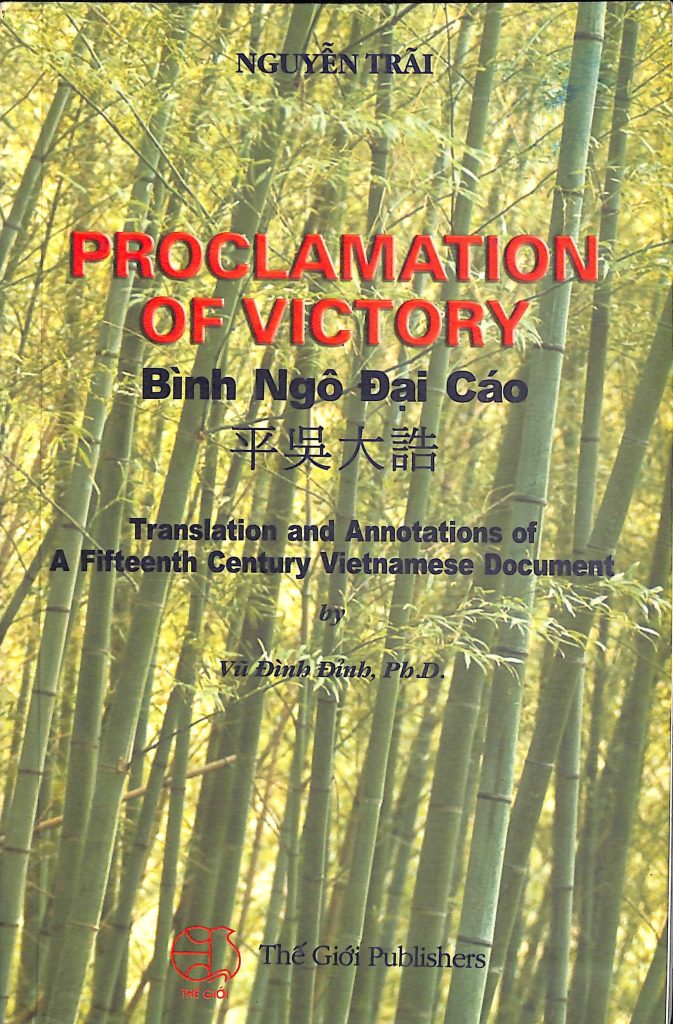
PREFACE
PREFACE
Translation of one language into another is a daunting task. And, since much will be lost in translation, the translator must have true love for it in hope of achieving certain degree of success. In the case of Bình Ngô Đại Cáo (Proclamation of Victory) the challenges seemed at times unsurmountable as it was written in a language that now only a few Hán-Việt specialists can read. Without the help and encourage¬ment of many friends in America and Vietnam, who provided me with reading materials and advice the project would have been abandoned.
1 knew of this famous document (BNĐC) when I sch001 student- But, at that time while my mterests were mainly in the study of sciences and foreign languages BNĐC was treated as a literary work, LL reaso? 5°r which was given in the introductory ” °5the monoểraph. From this vantage point in time I believed that the teacher who introduced the text to my class did not know as much of the historical settings that led to the production of the document, let alone the dramatic searches for it hundreds of years after Its author was falsely condemned to death for regicide and subsequently all of his writings, public or personal, were ordered destroyed.
Nowadays, BNĐC is being taught properly in both history and literature departments, thanks to the efforts of a dwindling number of Hán-Việt scholars, who had translated it into present-day Vietnamese. Among more than half of a dozen versions available I relied on six of them, the authors of which are Bùi Kỳ (deceased), Ngô Tất Tố (deceased), Mạc Bảo Thần (deceased), Đào Duy Anh (deceased), Hoàng Văn Lâu and Trần Nghĩa, for my translation. For ease of comparison I have printed in this publication the original version of the text in classical Chinese of the fifteenth century, transcribed into Pinyin with the help of Honghong Dong, an Adjunct Professor of Chinese at St. Mary’s University in San Antonio, and a Vietnamese version by Professor Trần Nghĩa of the Hán-Nôm Institute in Hanoi. To them all I owe my deep gratitude.
Since the introductory part in English is lengthy but necessary for a good understanding of the text, so beautifully composed that deserves the label “Thiên cổ Hùng Ca” (National Epic of Millenium), I have enlisted the help of Mr. Đông Vĩnh, a top English-Vietnamese translator in the country to translate it into Vietnamese for me so that everybody can benefit from reading this monograph whether he/she knows English or not. I very much appreciate his elegant style of Vietnamese, which I can hardly match due to being away from the country too long.
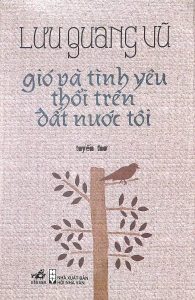
GIÓ VÀ TÌNH YÊU THỔI TRÊN ĐẤT NƯỚC TÔI
Tác giả: Lưu Quang Vũ
Nhà xuất bản: Nhà xuất bản Hội nhà văn
Năm xuất bản: 2022
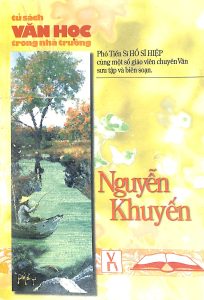
NGUYỄN KHUYẾN – TỦ SÁCH VĂN HỌC TRONG NHÀ TRƯỜNG
Tác giả: Hồ Sĩ Hiệp
Nhà xuất bản: Nhà xuất bản Văn nghệ
Năm xuất bản: 1997
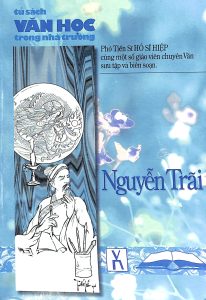
NGUYỄN TRÃI
Tác giả: Hồ Sĩ Hiệp
Nhà xuất bản: Nhà xuất bản Văn nghệ
Năm xuất bản: 1997
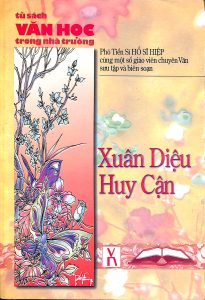
XUÂN DIỆU – HUY CẬN
Tác giả: Hồ Sĩ Hiệp
Nhà xuất bản: Nhà xuất bản Văn nghệ
Năm xuất bản: 1997